
Coercive Control As Spousal Abuse: What To Know
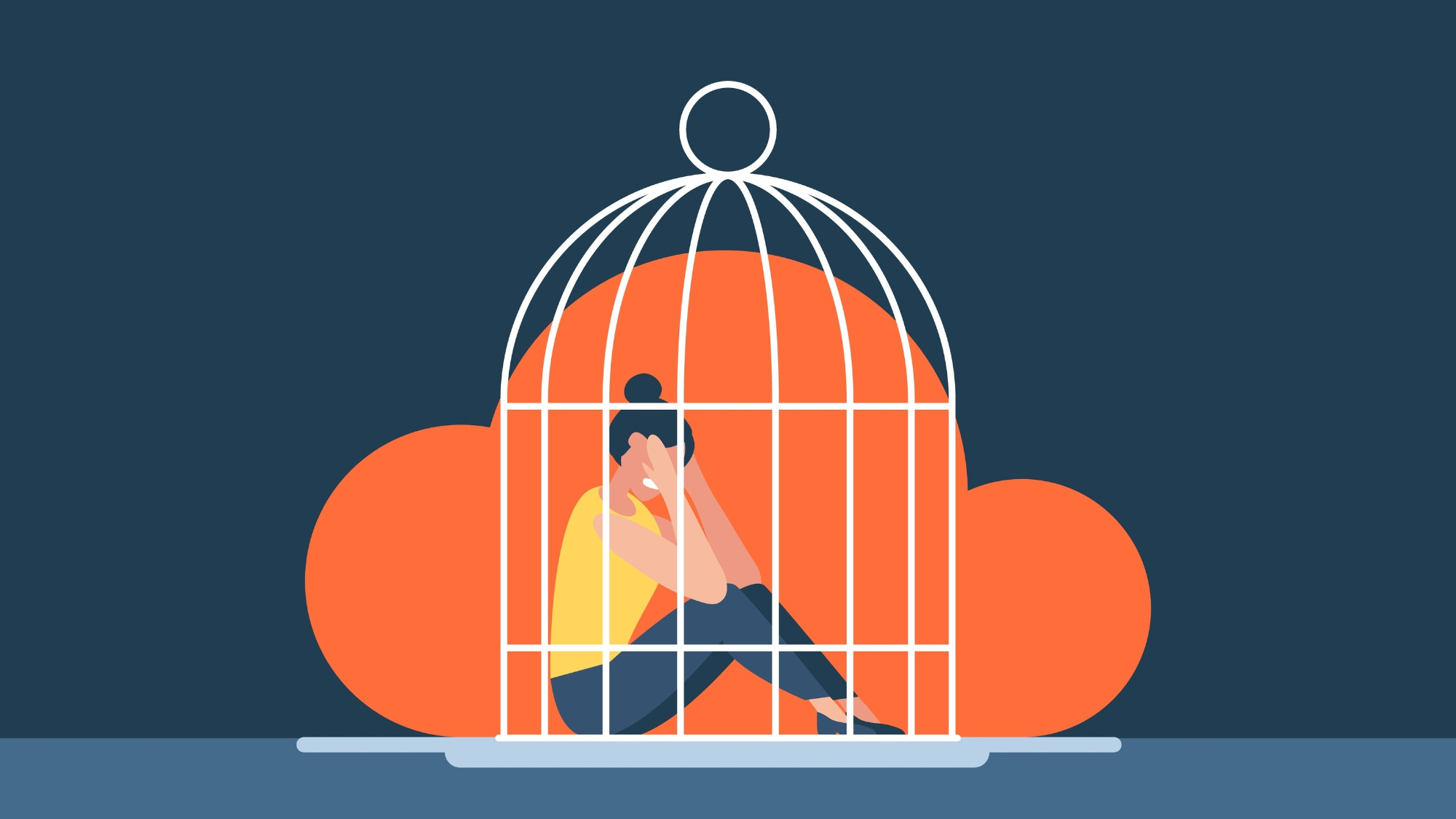
You have decided that your best way forward is divorce, but now your spouse has you second guessing your gut feelings, even using guilt and intimidation to stop you. They have never been explicitly violent with you, but at the same time, you have not felt safe with them for a long time. You could be a victim of coercive control, a common but lesser known form of domestic abuse that is as insidious as it is dangerous.
At the Law Offices Of Cara L. Santosuosso, LLC, our decades of experience have strengthened our powers of perception–we are keenly aware of the signs of coercive control. We have also become well acquainted with the abuser’s common tactics and methods. If you are a victim, looking for a divorce from your abusive partner, we are here to help. Read on to learn more about how your situation relates to divorce and custody concerns, and contact us to learn more about how we can assist you.
What Is Coercive Control
This can be a complex topic, but the basic behavior that constitutes the hallmarks of coercive control typically manifest as abusive patterns of manipulation, intimidation, and a desire to control every aspect of the victim’s life. Unlike traditionally understood domestic abuse, coercive control can have many similar mental and emotional effects, but may leave the victim physically unharmed.
The controlling abuser may strive to dominate, isolate, intimidate, or control a spouse or partner through a pattern of behavior. Their end goal usually includes limiting their spouse’s independence while creating a dependence on themselves, ultimately maintaining power over another person, in many or even every aspect of their life.
Common forms of coercive control can reach into every area of a person’s life. Behaviors may include:
- Financial Control: Restricting or strictly controlling access to money, monitoring spending, preventing a spouse from working, creating a state of financial dependence
- Isolation: Keeping a spouse away from family and friends and discouraging contact, monitoring communications, limiting social interactions and expecting “check ins”
- Emotional Manipulation: Purposely causing upset or causing a spouse to lose their temper, name-calling and talking down, pressure to do unsafe things, constant criticism, threats, humiliation and gaslighting
- Monitoring and Surveillance: Tracking locations or monitoring whereabouts (via technology, social media or otherwise), checking devices and demanding access to personal passwords
- Controlling Daily Life: Dictating schedules and restricting day-to-day activities, controlling major decisions like personal reproductive choices and minor decisions over clothing, hair and makeup
- Causing Fear: Making threats to harm or kill you or people you care about, threatening to share private information publicly, threatening blackmail with intimate images, engaging in property destruction
One incident of controlling or manipulative behavior may not indicate coercive control, as it typically manifests as a pattern of behaviors. That said, a third party may be better suited to find the clues that help to define this form of abuse, since the victim may be too close to the person and too involved in the relationship to see things clearly. Sometimes, but not always, physical or sexual violence can be involved, but more often than not, the abuser focuses on using the threat of violence paired with intimidation and isolation to control their partner or spouse.
How To Recognize Coercive Control
Because this behavioral pattern and the resulting impact on the abused often develops gradually, it can be difficult for the victim and others to recognize what is happening. People change over time, and mental health challenges can also develop at various stages in life, so it can be difficult to know if a person’s change is due to being a victim of abuse or not. Besides this, even close family and friends are often not privy to what happens behind a couple’s closed doors.
Some signs to look out for if coercive control is suspected include a person who is:
- Afraid or unwilling to make everyday decisions
- Constantly seeking permission from others
- Losing contact with or distancing themselves from friends and family
- Not in control of their own money or general household finances
- Suspicious of being monitored or scrutinized
If you yourself are in a relationship and you suspect that your partner is using behavior that lines up with coercive control, you may recognize yourself in the above list of telltale signs that you are being victimized. Coercive control can affect your mental and emotional well-being for the worse, strip you of self-confidence, undermine your financial stability, change how you interact with your child(ren), and curtail your long-term independence. If you are considering divorce, you will want to work with an experienced divorce lawyer in Cleveland who understands what you are up against and has the expertise needed to steadily guide you through the divorce process and protect you legally.
How Coercive Control Impacts Divorce
The spouse that is exerting coercive control generally does not take kindly to their spouse seeking divorce or attempting to establish control over their own life. This will naturally complicate divorce negotiations and make it next to impossible to engage in authentic discourse. It would be impossible to rely on collaborative divorce or mediation in a circumstance in which one party is determined to control the other. The victimized spouse can feel pressured to agree to unfavorable terms simply to avoid conflict. Communication between spouses will also be impacted, and power imbalances can linger in their relationship during the divorce process. All of this could make it difficult for the abused spouse to be treated fairly.
When it comes to child custody matters, a controlling spouse can put on a good front and could even succeed in convincing the court that they are best suited to care for the couple’s child(ren). Especially without a history of physical or sexual abuse, an emotional abuser may be able to manipulate proceedings against their victim. Since they do not pose an immediate physical risk or present safety concerns to the children, it may be difficult to determine their true threat. It would take a proven and established pattern of controlling or manipulative behavior to show that the abuser is not to be trusted, but this cannot be established overnight.
Controlling abusers are more likely to interfere with parenting decisions, manipulate children or use them to manipulate the other parent, and continue to harass their former spouse even after separation and divorce. For those who find themselves in a coercive and controlling relationship with children and who are considering divorce, documentation is a must. Keeping records of text messages, emails, voice mails, financial records, and any written notes about incidents is vital to show the true character of the abuser. This pattern of behavior can then be used to show the court that the abuser poses a risk to their spouse and child(ren) if things do not go their way. It is vital that those in a coercive and controlling relationship consult with an experienced divorce attorney to discuss documentation strategies and address any potential legal concerns.
Since separation and divorce can be a high-conflict period, victims will want to be very careful with the information they share on social media networks or anywhere else–email, phone, etc.–that could potentially end up in their abuser’s hands. It is also important to secure personal finances and digital assets, seek professional guidance, and work to build a support network. These can all be difficult things for a chronically coerced and controlled person to do, but they will make a big difference to long-term stability and recovery.
Legal Help for Spouses Seeking Divorce
While, from the outside, the abuser may be able to portray themselves as caring, concerned, loving and doting, their partner experiences the exact opposite type of behavior. Even legal experts and judges can be deceived, and this is often part of the abuser’s tactics to stall or stop the divorce. They may see the court as a tool for further abuse and a way to exert their power over their spouse by restricting their freedom and hurting them emotionally. This can be done through purposefully lengthy and postponed legal proceedings and a blatant refusal to negotiate or discuss reasonable terms for custody or support. They may stall negotiations, not show up for court dates, make false allegations, demand unnecessary documentation or change attorneys frequently, all in an effort to exhaust and wear down their victim financially and emotionally. Even being regularly exposed to the abuser can retraumatize the victim and lead them to an overly emotional demeanor in court–just what the abuser is hoping for.
Unfortunately, many legal professionals are simply not trained in the psychological dynamics of abuse, and so it can be difficult to determine and then prove the truth when deliberating cases that involve coercive control. If you find yourself in a marriage with a coercive and controlling individual, and you are ready to leave, you will want to work with a divorce attorney in Cleveland who understands what you are going through and who has the needed experience and knowledge to assist you. Your divorce lawyer can help to explain your legal options and, if appropriate or necessary in your case, pursue protective measures to ensure the safety of you and your child(ren). They will work with you to address custody concerns and advocate for you and your child(ren) during negotiations and court proceedings. With a professional legal guide on your team, you can ensure that you are treated fairly and that your spouse does not gain the upper hand.
Experienced Divorce Lawyers In Cleveland, Ohio
To this day, most states do not explicitly recognize coercive control as abuse, but this doesn’t make it ok. Many people may also reason that there needs to be physical violence present to label controlling behavior as abuse. However, this is far more than just a difficult relationship, and no one should have to endure the control and intimidation that victims find themselves dealing with on a regular basis.
Though it is a trying time, before you make any rash decision, take a moment to ask potential divorce lawyers about their experience representing clients who have been victims of coercive control. Inquire how they handle abusive litigation tactics. When you work with an experienced divorce attorney in Cleveland, you can rest assured that they will do all they can to prove that you have been a victim of an abusive pattern of behavior and advocate for your wellbeing and your rights. Contact us today to learn more about how we can help you, or schedule your consultation online.